Why Is My AC Running but Not Cooling Your House?
Few things are more frustrating than hearing your air conditioner hum along all afternoon while the thermostat refuses to budge. In a Georgia summer, when outdoor temperatures regularly push past 90 degrees with humidity to match, an AC that runs without cooling is more than an annoyance. It drives up your energy bill, strains the system, and leaves your family sweating through the hottest months of the year. The good news is that this problem almost always has an identifiable cause, and some of those causes are things you can check yourself before picking up the phone.
Start With the Simple Stuff
Before assuming the worst, rule out the easy explanations. Technicians see these issues on service calls every week, and homeowners are often surprised by how often the fix takes five minutes.
Check Your Thermostat Settings
It sounds obvious, but thermostats get bumped, batteries die, and family members change settings without telling anyone. Confirm the thermostat is set to Cool, not just Fan. When set to Fan, the blower circulates air without actually cooling it, which feels exactly like an AC that is running but not working. Also make sure the set temperature is at least a few degrees below the current room temperature, and replace the batteries if the display looks dim or blank.
Inspect Your Air Filter
A clogged air filter is the single most common cause of weak cooling. When the filter is packed with dust, pollen, and pet hair, airflow through the system drops dramatically. The AC keeps running, but very little cool air makes it into your rooms. During a Georgia summer, with pollen season bleeding into cooling season, filters clog faster than most homeowners expect. Pull the filter out and hold it up to a light. If you cannot see light through it, replace it. During heavy use, plan on checking it every 30 days.
Look at Your Outdoor Unit
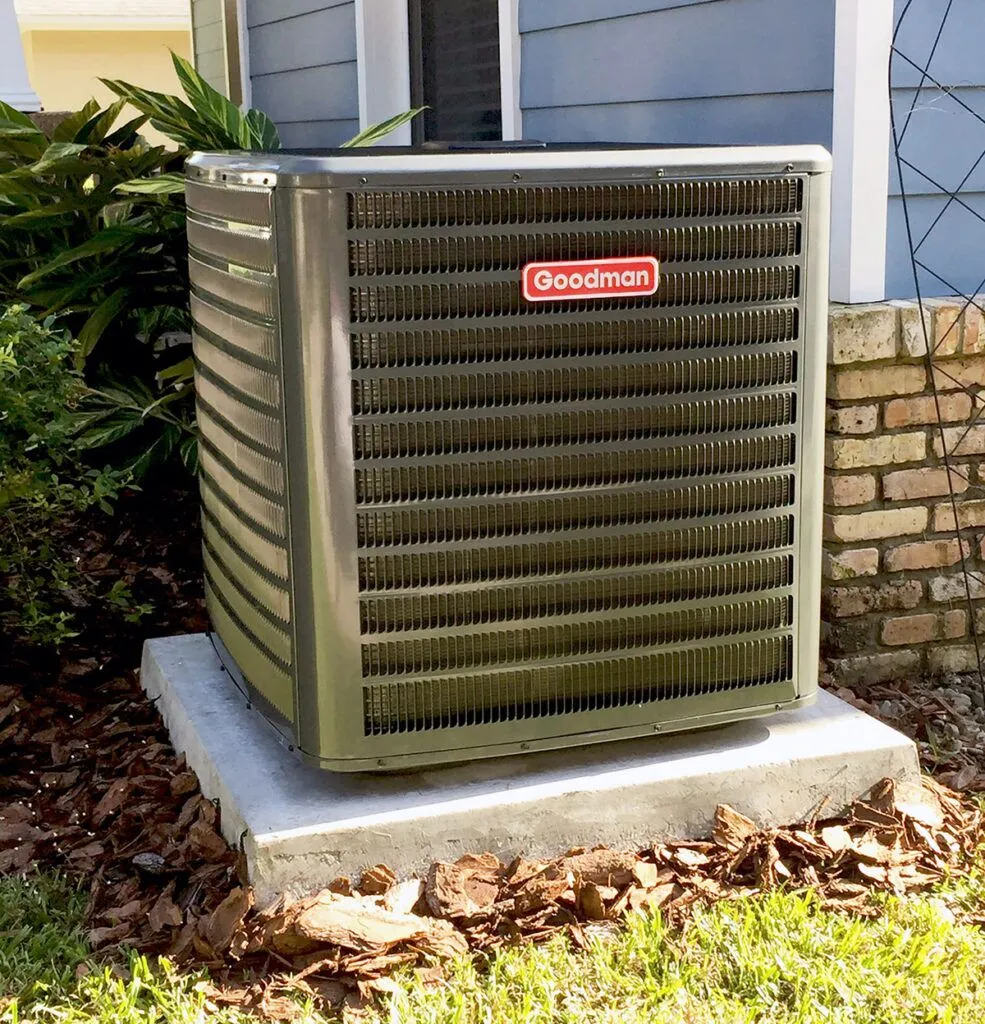
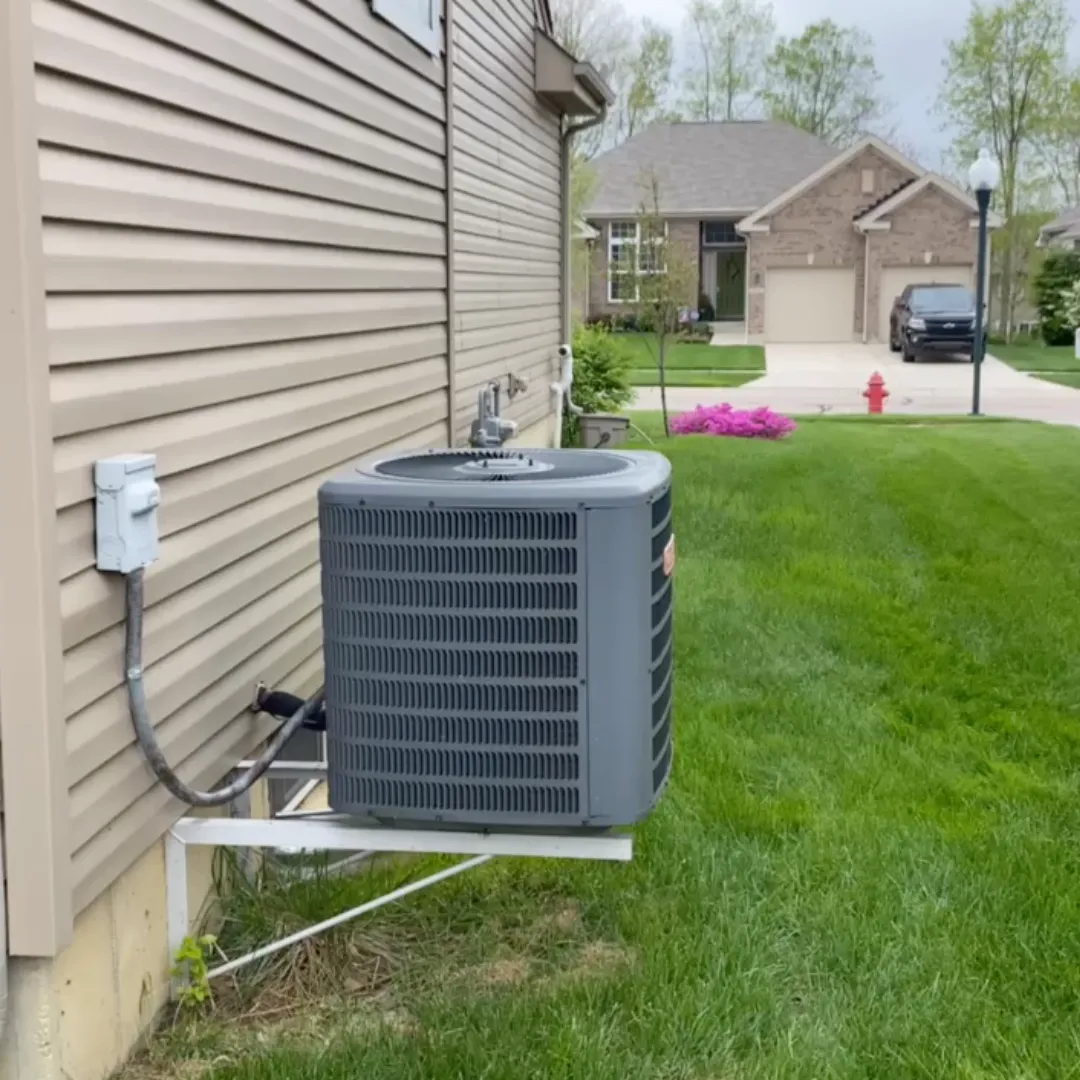
Walk outside and look at the condenser unit. Grass clippings, leaves, shrubs, and fence panels too close to the unit choke off the airflow it needs to release heat. The condenser needs at least two feet of clearance on all sides. If the coils look caked in dirt or cottonwood fluff, gently rinse them with a garden hose after shutting off power at the disconnect box. A condenser that cannot breathe cannot cool.
Causes That Need a Professional
If the basics check out and your home still feels warm, the problem likely sits deeper in the system. These issues require trained hands and proper equipment.
Low Refrigerant or a Refrigerant Leak
Refrigerant is the chemical that actually moves heat out of your home. A system that is low on refrigerant will run constantly, blow air that feels mildly cool at best, and may develop ice on the refrigerant lines or the indoor coil. Refrigerant does not get used up like gasoline. If levels are low, there is a leak somewhere, and simply topping off the charge without finding the leak only delays the same problem. A technician can locate the leak, repair it, and recharge the system to the manufacturer specification.
A Frozen Evaporator Coil
When airflow is restricted or refrigerant is low, the indoor coil can freeze into a solid block of ice. Ironically, a frozen coil makes your AC blow warm air, because the ice blocks air from passing over the cold surface. If you see ice on the copper lines near your indoor unit, shut the system off and let it thaw, then call for service. Running a frozen system can destroy the compressor, which is the most expensive component in the entire unit.
Failing Capacitor or Compressor Issues
The outdoor unit may sound like it is running when only the fan is spinning. If the compressor itself has stopped, no cooling happens at all. A weak capacitor, the part that gives the compressor its starting jolt, is a frequent culprit and a relatively affordable repair. A failed compressor is a bigger conversation, especially on older systems, and a technician can help you weigh repair against replacement.
Leaky or Disconnected Ductwork
Your AC may be producing perfectly cold air that never reaches your living space. Ducts running through hot attics and crawl spaces develop gaps, crushed sections, and disconnected joints over time. In summer, attic temperatures in Georgia can exceed 130 degrees, so any cooled air leaking into that space is money evaporating above your ceiling. Signs include rooms that never cool evenly, weak airflow at certain vents, and bills that climb year over year.
Why This Problem Gets Worse in Georgia Summers
Heat and humidity multiply every weakness in a cooling system. An AC that limps along in mild spring weather gets exposed the first week temperatures hit the 90s. High humidity also forces the system to work harder, since removing moisture from the air is a major part of what your AC does. A system that cannot keep up will leave your home feeling sticky even when the temperature reading looks acceptable. If your house feels clammy, the cooling problem may be a capacity or performance issue rather than a thermostat issue.
When to Stop Troubleshooting and Call for Help
There is a point where DIY effort starts costing you more than a service visit. Call a professional if you notice any of the following: ice anywhere on the system, a burning or electrical smell, the breaker tripping repeatedly, loud grinding or screeching from the outdoor unit, or warm air from the vents after you have already replaced the filter and confirmed the thermostat settings. Continuing to run a struggling system in peak summer heat is the fastest way to turn a moderate repair into a full system failure.
It is also worth being honest about age. Most central air conditioners last 12 to 15 years in our climate. If your system is in that range and cooling poorly, a technician can tell you whether a repair makes financial sense or whether you are pouring money into equipment near the end of its life.
Keep It From Happening Again
The vast majority of midsummer breakdowns trace back to small problems that were visible months earlier. Dirty coils, weak capacitors, low refrigerant, and worn electrical connections all show up during a routine inspection long before they cause a failure on a 95 degree afternoon. A professional tune up each spring catches these issues while they are cheap to fix, restores lost efficiency, and gives you documentation that helps protect your manufacturer warranty.
If your AC is running but your home will not cool down, do not wait for the problem to fix itself, because it will not. Our team handles fast, honest AC repair in Lawrenceville and the surrounding communities, and we will tell you exactly what is wrong and what it costs before any work begins. You can also ask about our AC tune up service to keep your system ready for the long Georgia cooling season ahead.
Our Blogs
Explore helpful articles on HVAC maintenance, repairs, and energy-efficient solutions to keep your Lawrenceville home comfortable