
Call Now for Reliable HVAC Service
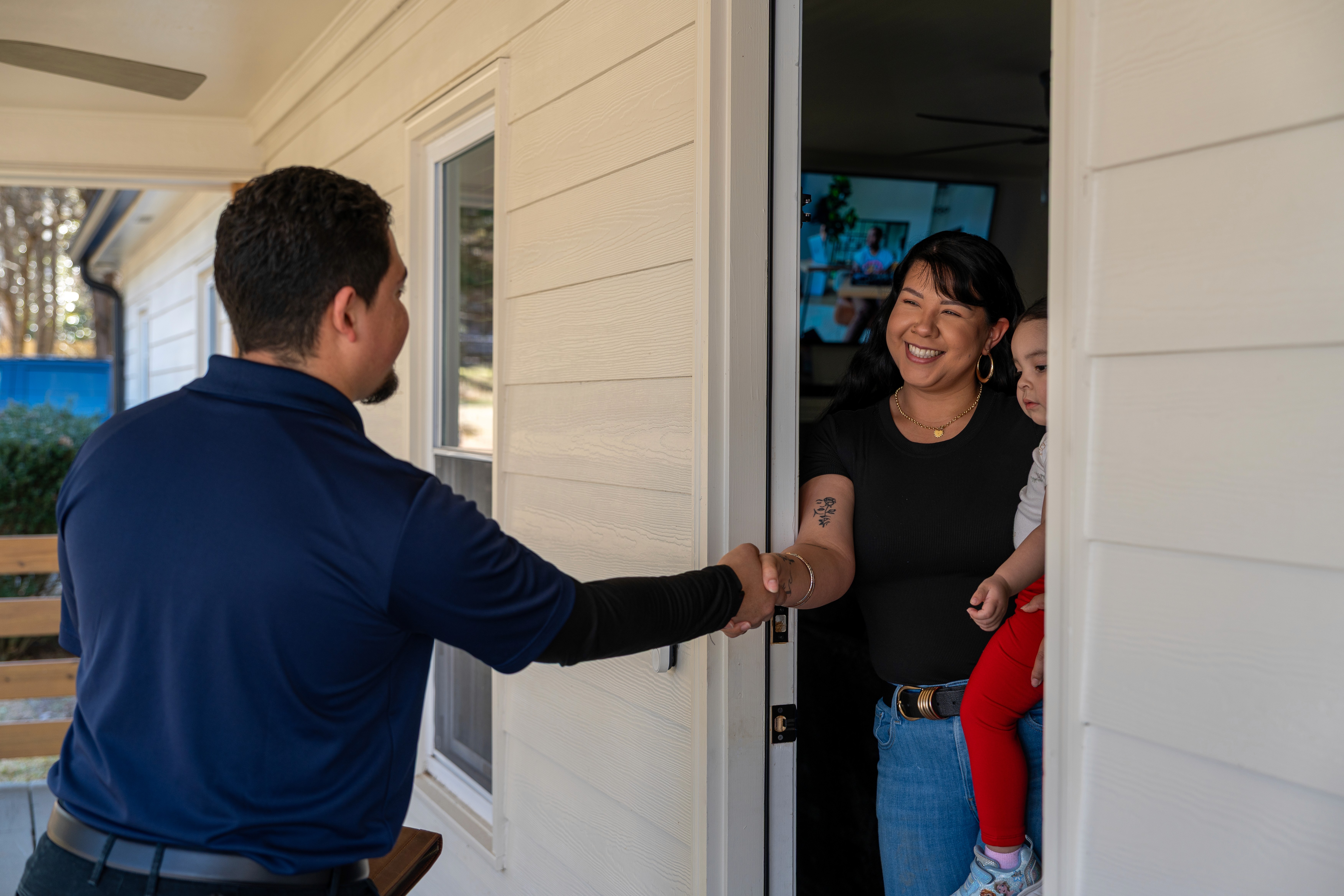
The Air Inside Your Lawrenceville Home May Be More Polluted Than Outside. Here's What to Do
The Air Inside Your Lawrenceville Home May Be More Polluted Than Outside. Here's What to Do
The Air Inside Your Lawrenceville Home May Be More Polluted Than Outside. Here's What to Do
Schedule Your HVAC Service Now
Book an appointment today and let our Lawrenceville HVAC experts keep your home comfortable in every season
Special Offers
Check out our latest specials and coupons below
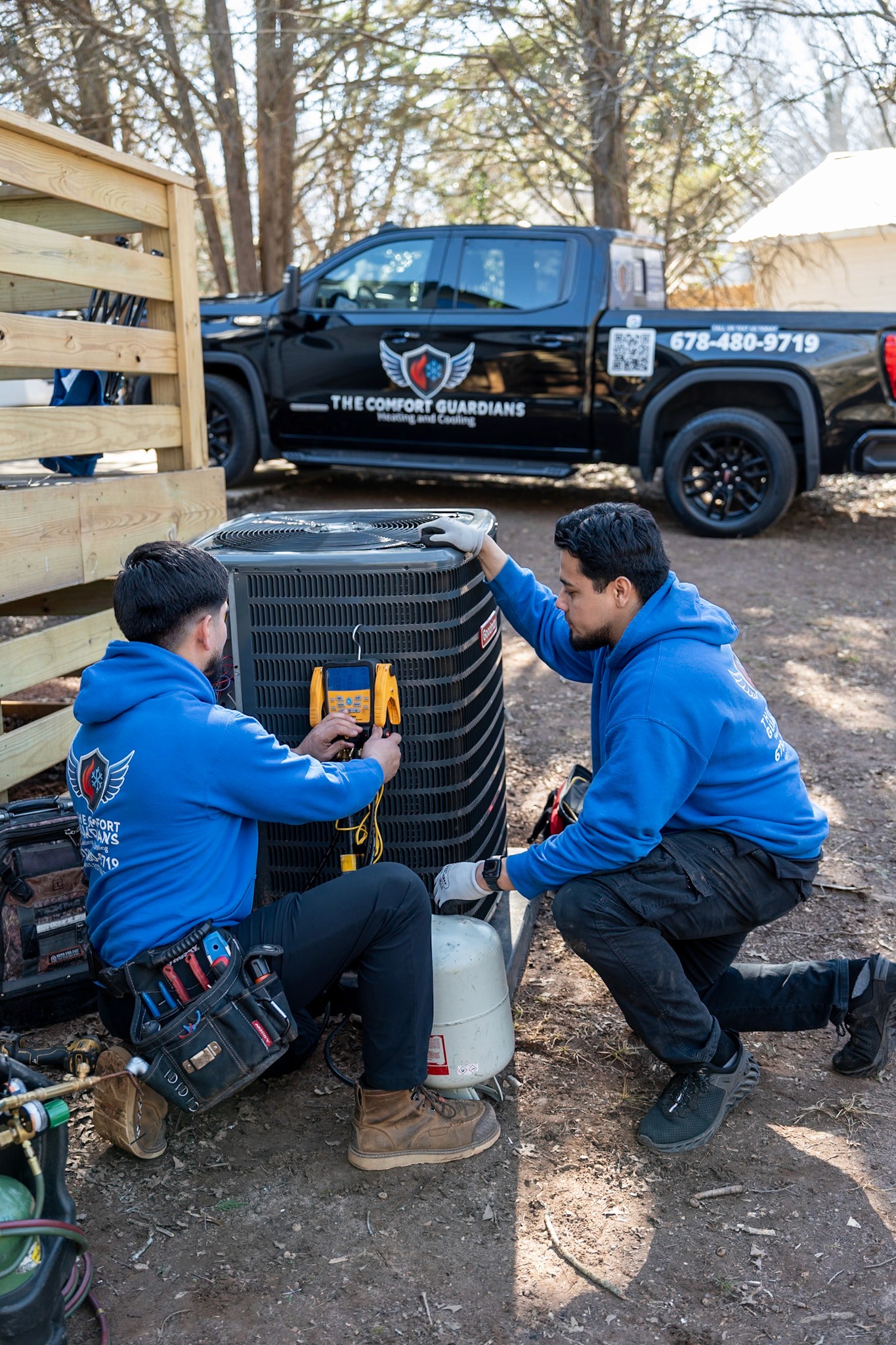
Free Duct Cleaning
Free Duct Cleaning
10-Year Parts Warranty
10-Year Parts Warranty
3-Year Labor Guarantee
3-Year Labor Guarantee
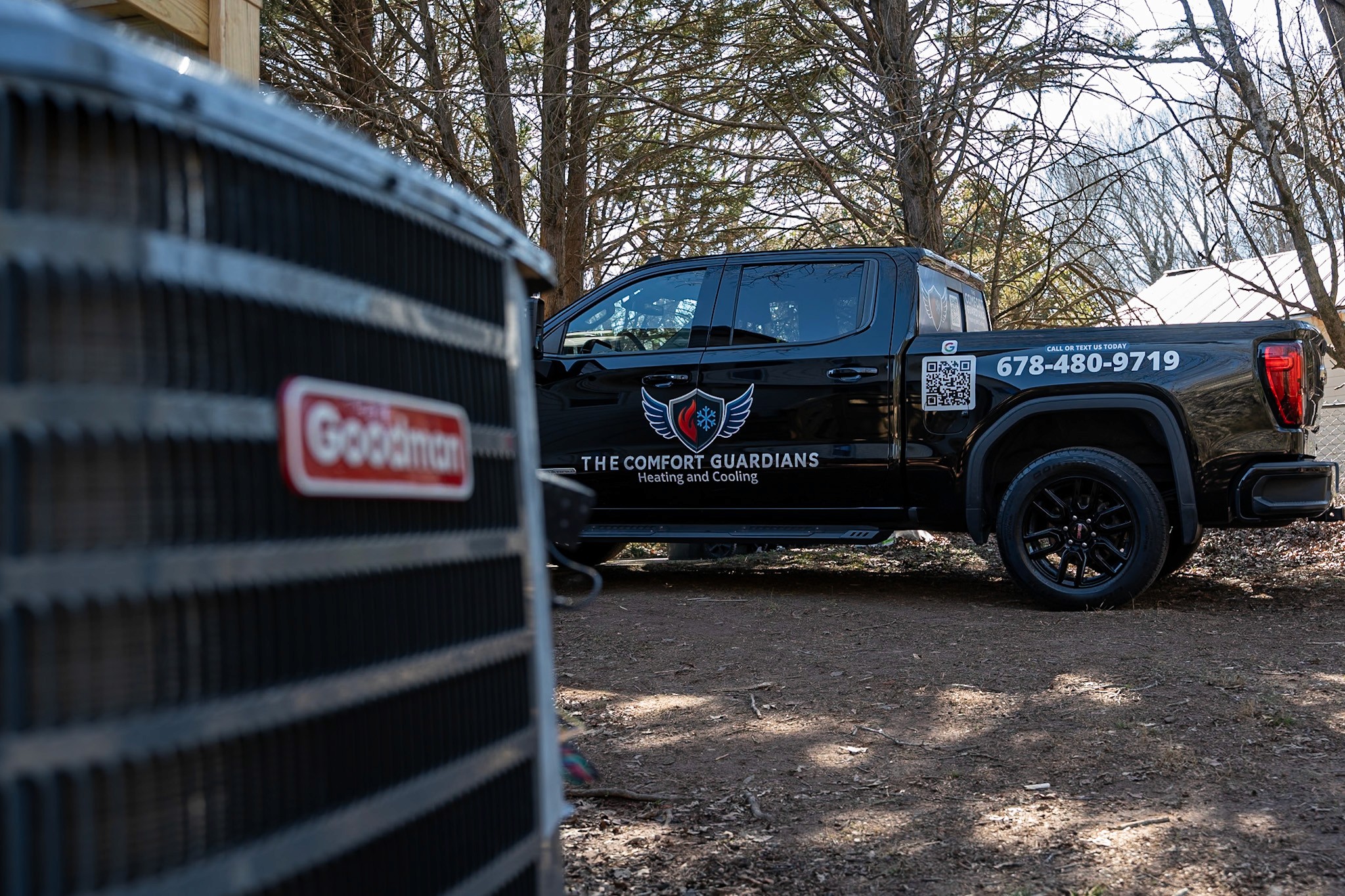
Lower your energy bills
Lower your energy bills
10-Year Parts Warranty
10-Year Parts Warranty
1-Year Labor Guarantee
1-Year Labor Guarantee
Buy a Complete HVAC System
Buy a Complete HVAC System
Get a water heater for FREE
Get a water heater for FREE
Contact Us
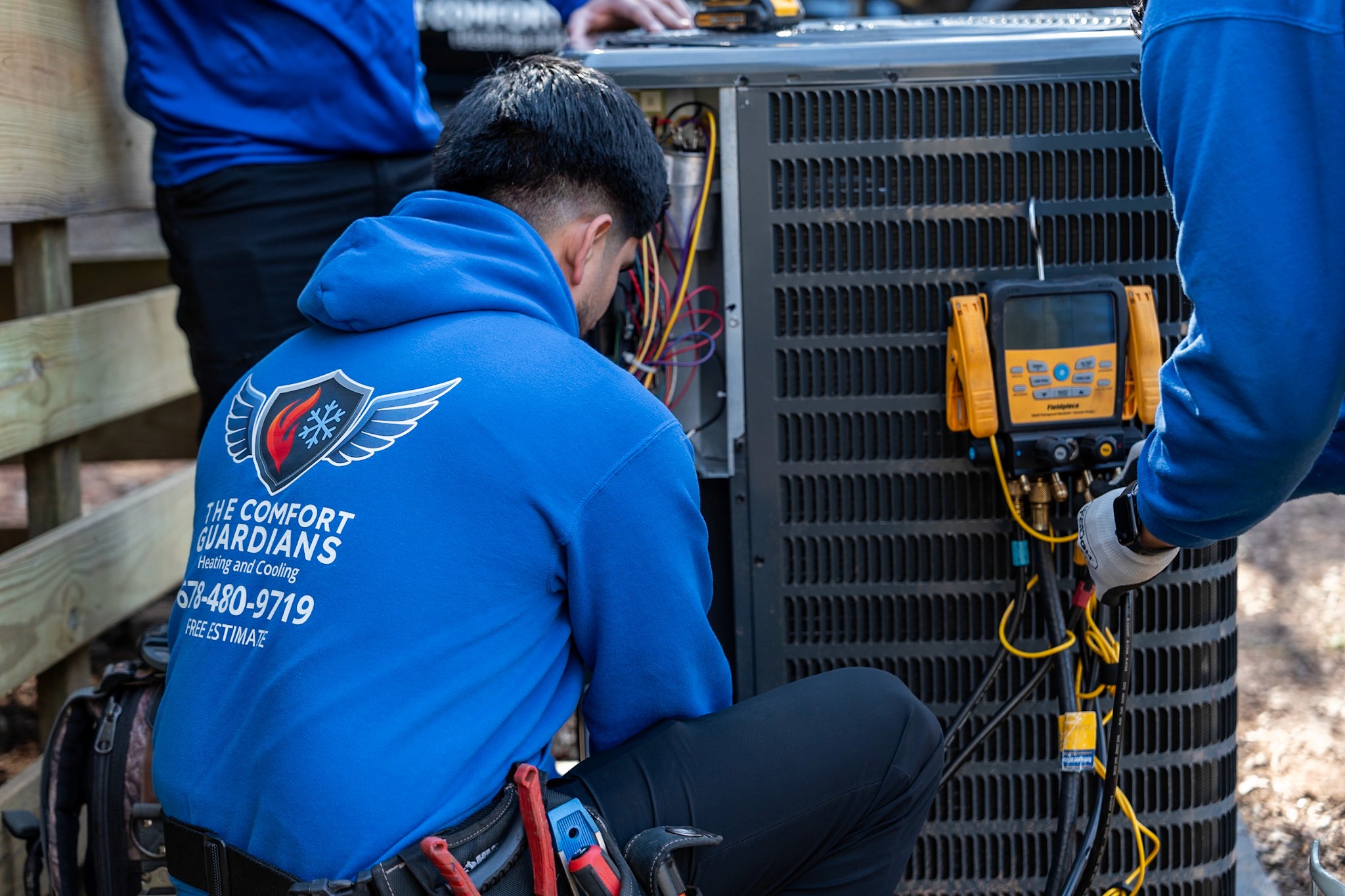
Value of $3,500
Value of $3,500
Promotions can't be combined
Promotions can't be combined
Most people think of air pollution as an outdoor problem. Smog, car exhaust, factory smoke. But the truth is, the air inside your home can actually be two to five times more polluted than the air outside. That might sound hard to believe, but when you think about everything that circulates through a sealed-up house, it starts to make a lot of sense.
If you live in Lawrenceville or anywhere in the metro Atlanta area, your home faces some unique challenges when it comes to indoor air quality. Let's take a look at why, what you can do about it, and when it might be time to call in some help.
Why Georgia Homes Are Especially at Risk
Georgia's climate creates the perfect conditions for poor indoor air quality in Lawrenceville, GA. The humidity here is no joke. High moisture levels inside your home create a breeding ground for mold and mildew, especially in bathrooms, basements, and around HVAC equipment.
Then there is the pollen. Lawrenceville is surrounded by trees, and every spring, everything turns yellow-green with pollen dust. That pollen gets tracked into your home on shoes, clothes, and pets. It gets pulled into your HVAC system and circulated through your ductwork over and over again.
Older homes in the area may also have aging ductwork that has collected years of dust, debris, and even pest droppings. All of that gets pushed into your living spaces every time the system runs.
Common Indoor Air Pollutants
You might not see them, but there are a lot of things floating around in your home's air. Here are some of the most common culprits.
Dust Mites: These tiny creatures thrive in bedding, upholstered furniture, and carpeting. Their waste particles become airborne and are a major trigger for allergies and asthma.
Mold Spores: Georgia's humidity makes mold growth common. Mold spores travel through the air and can cause respiratory problems, especially for people with existing conditions.
Volatile Organic Compounds (VOCs): These are chemicals released by everyday products like cleaning supplies, air fresheners, paint, and even new furniture. VOCs can irritate the eyes, nose, and throat, and long-term exposure can lead to more serious health issues.
Pet Dander: If you have furry friends at home, their skin cells and saliva particles are constantly circulating through your air, even if you keep a clean house.
Pollen and Outdoor Pollutants: Every time you open a door or window, outdoor pollutants come inside. In a place like Lawrenceville, pollen season can make this especially bad.
Health Symptoms to Watch For
Poor indoor air quality does not always announce itself with a bad smell or visible haze. Sometimes the signs show up in how you feel. If you or your family members are experiencing any of the following, your indoor air could be part of the problem.
Frequent headaches, especially at home. Allergy symptoms that seem worse indoors than outdoors. Stuffy nose, scratchy throat, or irritated eyes. Fatigue or trouble sleeping. Worsening asthma or respiratory issues. Skin irritation or dryness.
These symptoms can be easy to dismiss as seasonal allergies or stress, but if they improve when you leave the house, your indoor air may need some attention.
What You Can Do on Your Own
The good news is that there are several steps you can take right now to improve the air in your home without spending a lot of money.
Change Your Air Filters Regularly: A clean filter is your first line of defense. Replace it every 30 to 60 days, or more often if you have pets or allergies.
Improve Ventilation: Open windows when the weather and pollen count allow it. Use exhaust fans in the kitchen and bathroom to move stale air out.
Control Humidity: Keep indoor humidity between 30 and 50 percent. Use a dehumidifier in damp areas like basements. Fix any leaks that could be adding moisture to your home.
Reduce VOCs: Switch to natural or low-VOC cleaning products. Let new furniture and building materials off-gas in a well-ventilated area before bringing them into closed rooms.
Keep It Clean: Vacuum regularly with a HEPA filter vacuum. Wash bedding in hot water weekly. Dust surfaces with a damp cloth instead of a dry one so you trap particles instead of spreading them around.
When It Is Time for Professional Help
Sometimes the steps you take on your own are not enough, especially in a climate like ours. That is where professional HVAC air quality solutions in Lawrenceville come in.
UV Lights: Installed inside your HVAC system, UV lights kill mold, bacteria, and viruses as air passes through. They are especially helpful in humid climates where mold growth is a constant concern.
Air Purifiers: Whole-home air purifiers work with your existing HVAC system to remove particles that standard filters miss. They capture allergens, bacteria, and even some VOCs, giving you cleaner air in every room.
Advanced Filtration Systems: Upgrading to a higher-grade filtration system can catch much smaller particles than a standard filter. This is a great option for families dealing with allergies, asthma, or other respiratory issues.
Humidifiers and Dehumidifiers: Whole-home humidity control keeps moisture levels balanced throughout your house, which helps prevent mold growth and keeps your air comfortable year-round.
An air purifier installation in Lawrenceville, paired with the right filtration and humidity control, can make a huge difference in how your home feels and how your family feels in it.
Breathe Easier With Comfort Guardians
At Comfort Guardians, we offer a full range of indoor air quality services for Lawrenceville homeowners. Whether you need a simple filter upgrade or a complete air quality overhaul with UV lights, purifiers, and whole-home filtration, we can help you find the right solution for your home and your budget.
We believe in transparent pricing and honest recommendations. We will never push a product you do not need. Our goal is to help you and your family breathe easier and live more comfortably.
If you are curious about the air quality in your home or want to learn more about your options, give us a call at (678) 480-9719 or visit comfortguardianshvac.com. Cleaner air starts with a conversation, and we are always happy to talk.
Most people think of air pollution as an outdoor problem. Smog, car exhaust, factory smoke. But the truth is, the air inside your home can actually be two to five times more polluted than the air outside. That might sound hard to believe, but when you think about everything that circulates through a sealed-up house, it starts to make a lot of sense.
If you live in Lawrenceville or anywhere in the metro Atlanta area, your home faces some unique challenges when it comes to indoor air quality. Let's take a look at why, what you can do about it, and when it might be time to call in some help.
Why Georgia Homes Are Especially at Risk
Georgia's climate creates the perfect conditions for poor indoor air quality in Lawrenceville, GA. The humidity here is no joke. High moisture levels inside your home create a breeding ground for mold and mildew, especially in bathrooms, basements, and around HVAC equipment.
Then there is the pollen. Lawrenceville is surrounded by trees, and every spring, everything turns yellow-green with pollen dust. That pollen gets tracked into your home on shoes, clothes, and pets. It gets pulled into your HVAC system and circulated through your ductwork over and over again.
Older homes in the area may also have aging ductwork that has collected years of dust, debris, and even pest droppings. All of that gets pushed into your living spaces every time the system runs.
Common Indoor Air Pollutants
You might not see them, but there are a lot of things floating around in your home's air. Here are some of the most common culprits.
Dust Mites: These tiny creatures thrive in bedding, upholstered furniture, and carpeting. Their waste particles become airborne and are a major trigger for allergies and asthma.
Mold Spores: Georgia's humidity makes mold growth common. Mold spores travel through the air and can cause respiratory problems, especially for people with existing conditions.
Volatile Organic Compounds (VOCs): These are chemicals released by everyday products like cleaning supplies, air fresheners, paint, and even new furniture. VOCs can irritate the eyes, nose, and throat, and long-term exposure can lead to more serious health issues.
Pet Dander: If you have furry friends at home, their skin cells and saliva particles are constantly circulating through your air, even if you keep a clean house.
Pollen and Outdoor Pollutants: Every time you open a door or window, outdoor pollutants come inside. In a place like Lawrenceville, pollen season can make this especially bad.
Health Symptoms to Watch For
Poor indoor air quality does not always announce itself with a bad smell or visible haze. Sometimes the signs show up in how you feel. If you or your family members are experiencing any of the following, your indoor air could be part of the problem.
Frequent headaches, especially at home. Allergy symptoms that seem worse indoors than outdoors. Stuffy nose, scratchy throat, or irritated eyes. Fatigue or trouble sleeping. Worsening asthma or respiratory issues. Skin irritation or dryness.
These symptoms can be easy to dismiss as seasonal allergies or stress, but if they improve when you leave the house, your indoor air may need some attention.
What You Can Do on Your Own
The good news is that there are several steps you can take right now to improve the air in your home without spending a lot of money.
Change Your Air Filters Regularly: A clean filter is your first line of defense. Replace it every 30 to 60 days, or more often if you have pets or allergies.
Improve Ventilation: Open windows when the weather and pollen count allow it. Use exhaust fans in the kitchen and bathroom to move stale air out.
Control Humidity: Keep indoor humidity between 30 and 50 percent. Use a dehumidifier in damp areas like basements. Fix any leaks that could be adding moisture to your home.
Reduce VOCs: Switch to natural or low-VOC cleaning products. Let new furniture and building materials off-gas in a well-ventilated area before bringing them into closed rooms.
Keep It Clean: Vacuum regularly with a HEPA filter vacuum. Wash bedding in hot water weekly. Dust surfaces with a damp cloth instead of a dry one so you trap particles instead of spreading them around.
When It Is Time for Professional Help
Sometimes the steps you take on your own are not enough, especially in a climate like ours. That is where professional HVAC air quality solutions in Lawrenceville come in.
UV Lights: Installed inside your HVAC system, UV lights kill mold, bacteria, and viruses as air passes through. They are especially helpful in humid climates where mold growth is a constant concern.
Air Purifiers: Whole-home air purifiers work with your existing HVAC system to remove particles that standard filters miss. They capture allergens, bacteria, and even some VOCs, giving you cleaner air in every room.
Advanced Filtration Systems: Upgrading to a higher-grade filtration system can catch much smaller particles than a standard filter. This is a great option for families dealing with allergies, asthma, or other respiratory issues.
Humidifiers and Dehumidifiers: Whole-home humidity control keeps moisture levels balanced throughout your house, which helps prevent mold growth and keeps your air comfortable year-round.
An air purifier installation in Lawrenceville, paired with the right filtration and humidity control, can make a huge difference in how your home feels and how your family feels in it.
Breathe Easier With Comfort Guardians
At Comfort Guardians, we offer a full range of indoor air quality services for Lawrenceville homeowners. Whether you need a simple filter upgrade or a complete air quality overhaul with UV lights, purifiers, and whole-home filtration, we can help you find the right solution for your home and your budget.
We believe in transparent pricing and honest recommendations. We will never push a product you do not need. Our goal is to help you and your family breathe easier and live more comfortably.
If you are curious about the air quality in your home or want to learn more about your options, give us a call at (678) 480-9719 or visit comfortguardianshvac.com. Cleaner air starts with a conversation, and we are always happy to talk.
Call Now for Reliable HVAC Service
Speak directly with our HVAC experts and get fast, reliable heating and cooling solutions today
Call Today
Call Now for Reliable HVAC Service
Speak directly with our HVAC experts and get fast, reliable heating and cooling solutions today
Call Today
Call Now for Reliable HVAC Service
Speak directly with our HVAC experts and get fast, reliable heating and cooling solutions today
Call Today
Ready for Reliable HVAC Service?
From AC repairs to full system installations, our Lawrenceville HVAC team delivers comfort you can count on


Risk Mitigation
Proactively identify vulnerabilities and safeguard your software from potential data
Risk Mitigation
Proactively identify vulnerabilities and safeguard your software from potential data
Fast Response
Same-day service to restore comfort quickly.
Expert Technicians
Skilled, certified professionals you can rely on.
Lasting Solutions
Quality repairs and installations built to last.
Ready for Reliable HVAC Service?
From AC repairs to full system installations, our Lawrenceville HVAC team delivers comfort you can count on
Risk Mitigation
Proactively identify vulnerabilities and safeguard your software from potential data
Risk Mitigation
Proactively identify vulnerabilities and safeguard your software from potential data
Fast Response
Same-day service to restore comfort quickly.
Expert Technicians
Skilled, certified professionals you can rely on.
Lasting Solutions
Quality repairs and installations built to last.
Ready for Reliable HVAC Service?
From AC repairs to full system installations, our Lawrenceville HVAC team delivers comfort you can count on
Risk Mitigation
Proactively identify vulnerabilities and safeguard your software from potential data
Risk Mitigation
Proactively identify vulnerabilities and safeguard your software from potential data
Fast Response
Same-day service to restore comfort quickly.
Expert Technicians
Skilled, certified professionals you can rely on.
Lasting Solutions
Quality repairs and installations built to last.
Your Home Comfort Estimate Starts Here
Get a detailed breakdown of pricing and options custom-fit for your home.
Contact Us
Apply for Affordable HVAC Financing Today
Get fast approval and start enjoying year-round comfort with low monthly payments.
Apply Today
Your Home Comfort Estimate Starts Here
Get a detailed breakdown of pricing and options custom-fit for your home.
Contact Us
Apply for Affordable HVAC Financing Today
Get fast approval and start enjoying year-round comfort with low monthly payments.
Apply Today
Your Home Comfort Estimate Starts Here
Get a detailed breakdown of pricing and options custom-fit for your home.
Contact Us
Apply for Affordable HVAC Financing Today
Get fast approval and start enjoying year-round comfort with low monthly payments.
Apply Today
Hear From Our Customers
See what Lawrenceville homeowners are saying about their experience with our trusted HVAC services.
70
Customer Reviews
Christopher Corprew
"Installation engineers were great! Very professional and knowledgeable. recommend this company!"
Jennifer Manzano
"Very productive and professional. They worked well into the night to get the job done"
Hear From Our Customers
See what Lawrenceville homeowners are saying about their experience with our trusted HVAC services.
70
Customer Reviews
Christopher Corprew
"Installation engineers were great! Very professional and knowledgeable. recommend this company!"
Jennifer Manzano
"Very productive and professional. They worked well into the night to get the job done"
Hear From Our Customers
See what Lawrenceville homeowners are saying about their experience with our trusted HVAC services.
70
Customer Reviews
Christopher Corprew
"Installation engineers were great! Very professional and knowledgeable. recommend this company!"
Jennifer Manzano
"Very productive and professional. They worked well into the night to get the job done"
Hear From Our Customers
See what Lawrenceville homeowners are saying about their experience with our trusted HVAC services.
70
Customer Reviews
Christopher Corprew
"Installation engineers were great! Very professional and knowledgeable. recommend this company!"
Jennifer Manzano
"Very productive and professional. They worked well into the night to get the job done"
Call Now for Reliable HVAC Service

Comfort Guardians provides reliable HVAC repair, installation, and maintenance in Lawrenceville, GA to keep your home comfortable year-round
Links
Contact
Call Now for Reliable HVAC Service
Comfort Guardians provides reliable HVAC repair, installation, and maintenance in Lawrenceville, GA to keep your home comfortable year-round
Links
Contact
Call Now for Reliable HVAC Service
Comfort Guardians provides reliable HVAC repair, installation, and maintenance in Lawrenceville, GA to keep your home comfortable year-round
Links
Contact